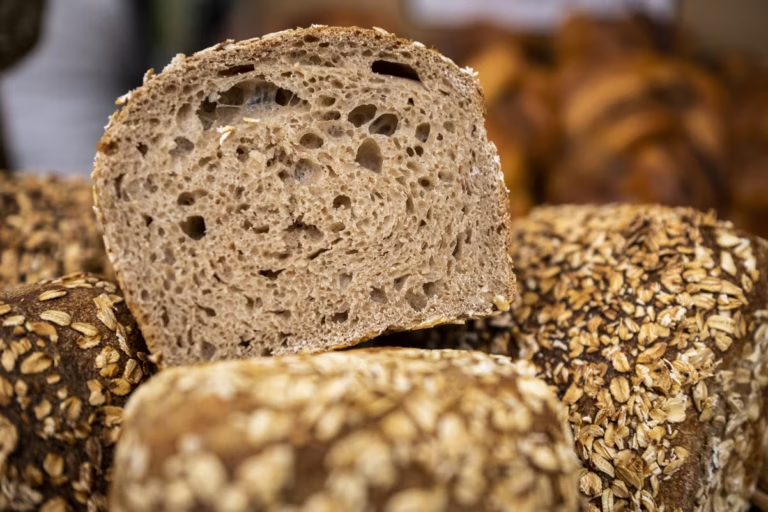
7 foods that help lower cholesterol besides oats
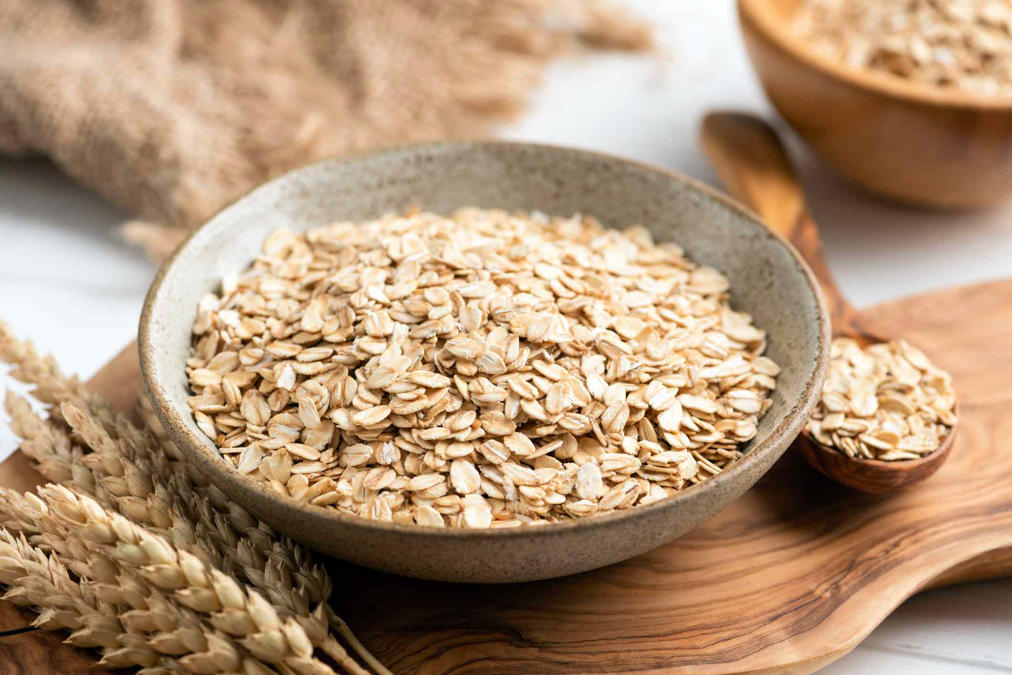
Oats are a powerful cholesterol-lowering food thanks to their rich soluble fiber content. Soluble fiber lowers cholesterol levels, regulates blood sugar, and prevents constipation. Other fiber-rich foods that can lower cholesterol include beans, nuts, fruits, vegetables, whole grains, and fish.
1. Legumes
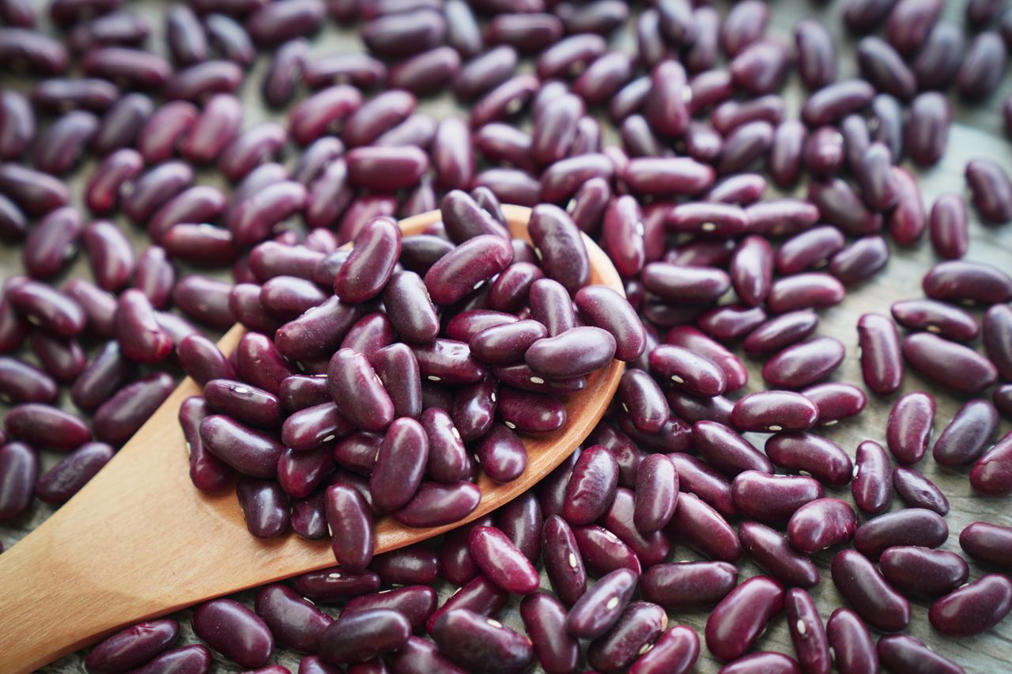
Legumes are plant foods that include beans, soy, peas, lentils, and peanuts. They are a good source of fiber, especially soluble fiber. Research shows that eating a diet rich in soluble fiber can lower low-density lipoprotein (LDL) or “bad” cholesterol. Eating beans regularly may lower the risk of heart disease.
Consuming soy products, such as tofu, tempeh, and soy milk, may help lower cholesterol levels and reduce the risk of heart disease. Eating a diet rich in legumes may also lower your risk of chronic health conditions, including diabetes, obesity, and high blood pressure (hypertension).
2. Vegetables
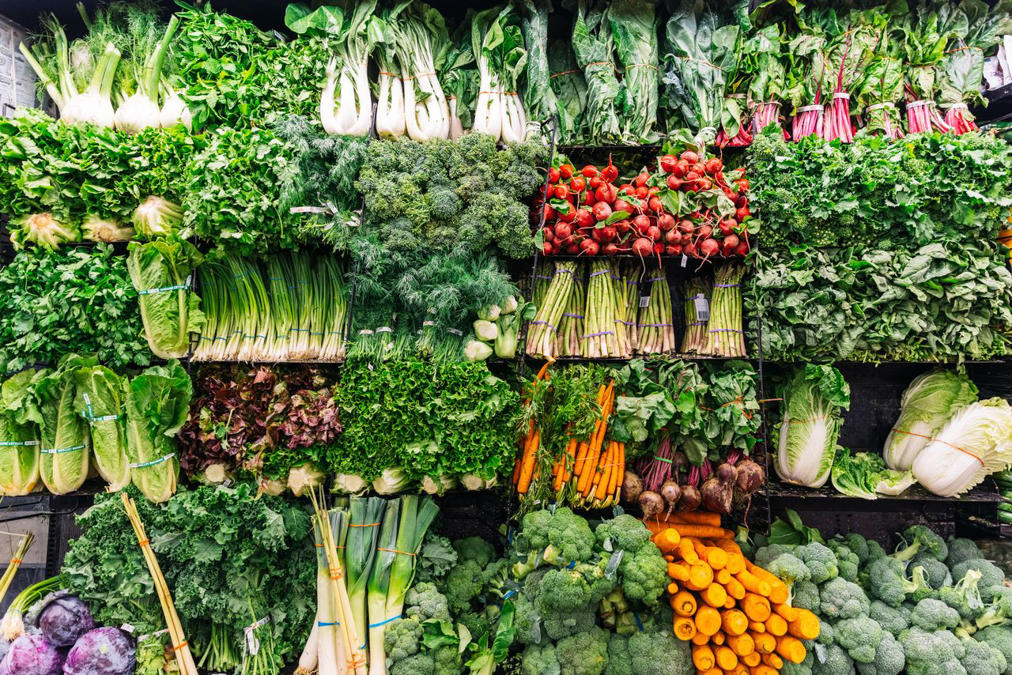
Vegetables are a vital part of a healthy diet. They are rich in vitamins, minerals, and fiber. Eating vegetables every day reduces LDL cholesterol and lowers the risk of heart disease.
A 2020 study found that consuming at least four servings of fruits and vegetables daily can lower LDL and total cholesterol levels. It may also reduce blood triglyceride levels and blood pressure. Aim to add a serving of vegetables to most meals and snacks.
3. Fruits
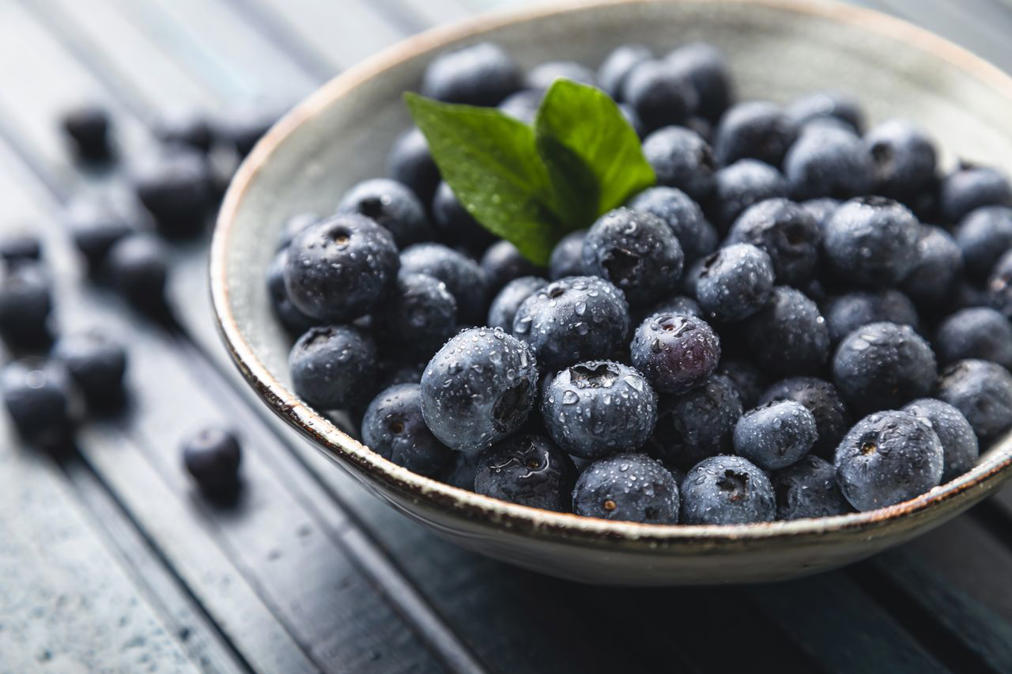
Consuming fruits and vegetables daily is a proven way to lower your cholesterol and improve your overall health.
Fruits are rich in vitamins, antioxidants, minerals, and fiber. Berries, apples, and citrus fruits contain a type of soluble fiber called pectin, which helps reduce cholesterol production by the liver. A 2020 study found that eating two apples a day can significantly lower LDL and total cholesterol levels.
Berries contain antioxidants called polyphenols that may lower LDL cholesterol and increase high-density lipoprotein (HDL) or “good” cholesterol. Antioxidants reduce inflammation in the body and can improve heart health.
4. Avocado
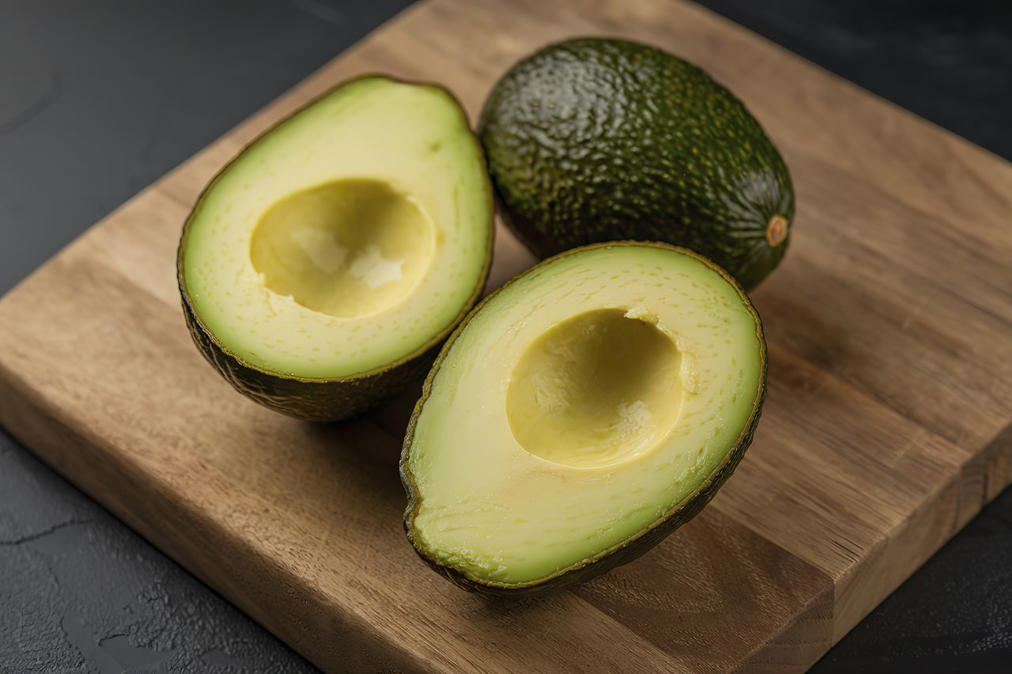
Avocados are a popular fruit that are rich in healthy monounsaturated fats and fiber. A 2020 study found that when people who were overweight or obese consumed one avocado per day (as part of a heart-healthy diet), they experienced lower LDL and total cholesterol levels.
Consider using avocados and avocado oil as alternatives to less healthy fats. Saturated fats from animal protein can raise cholesterol levels. Top your whole-grain toast with mashed avocado instead of butter to support your heart health.
5. Fish

Fish are rich in omega-3 fatty acids, a type of healthy fat that supports heart health. Fatty fish like salmon, trout, and mackerel are excellent sources of omega-3 fatty acids. A 2016 study found that regularly consuming fatty fish can help lower cholesterol and blood triglyceride levels. It can also reduce your risk of heart disease and metabolic syndrome.
It is important to note that fried fish does not have the same health benefits. Eating fried fish regularly may increase your risk of a heart attack and stroke.
6. Nuts
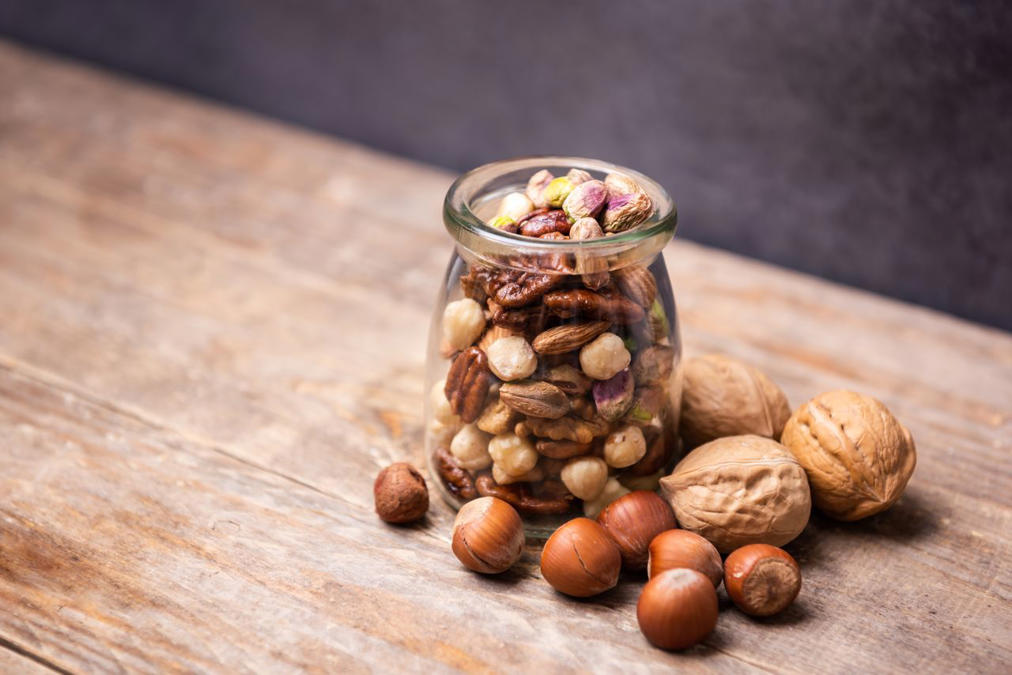
Nuts are an excellent source of fiber, healthy fats, and plant-based protein. They also provide vitamins, minerals, and antioxidants. People who eat nuts regularly may be at a lower risk of heart disease than those who rarely eat them.
Walnuts contain a type of omega-3 fatty acid called alpha-linolenic acid (ALA). This healthy fat has been linked with a lower risk of heart attack and stroke. Eating almonds regularly may help raise HDL levels, which in turn can reduce LDL cholesterol over time.
Start adding nuts to your diet in moderation. Try walnuts, almonds, pistachios, and cashews. Eating nuts regularly may reduce inflammation and lower cholesterol levels.
7. Olive Oil
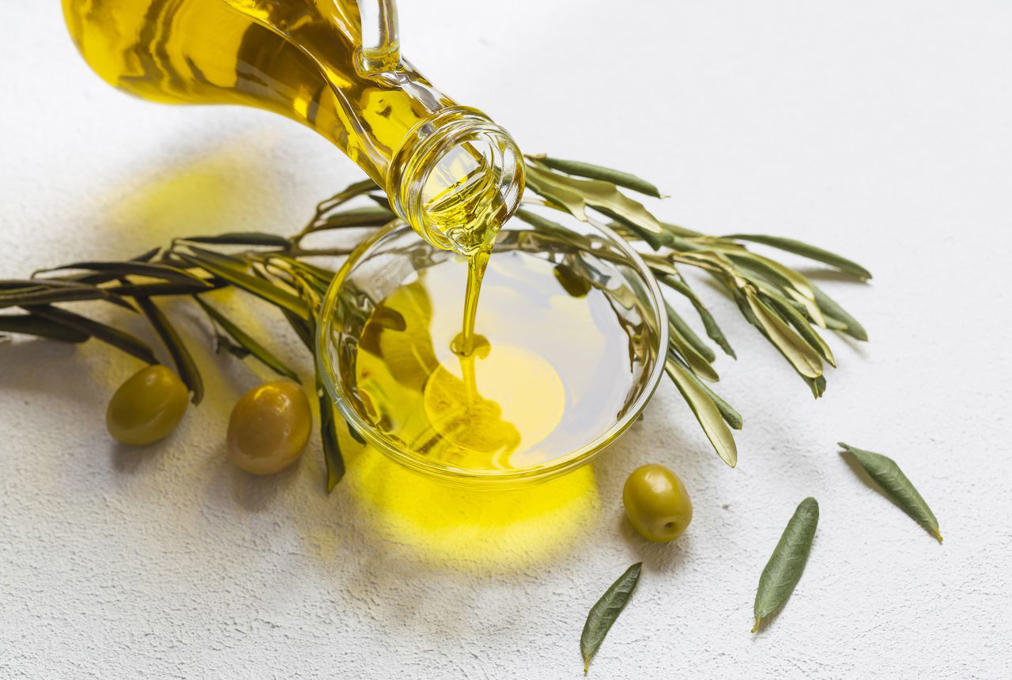
Olive oil is a healthy fat with several health benefits. Extra-virgin olive oil contains monounsaturated fats, which are proven to reduce LDL cholesterol. Olive oil is also a good source of polyphenols, antioxidants that reduce inflammation and lower the risk of heart disease.
If you are in the habit of cooking with butter or margarine, consider switching to a healthier option such as olive, avocado, or soybean oil.